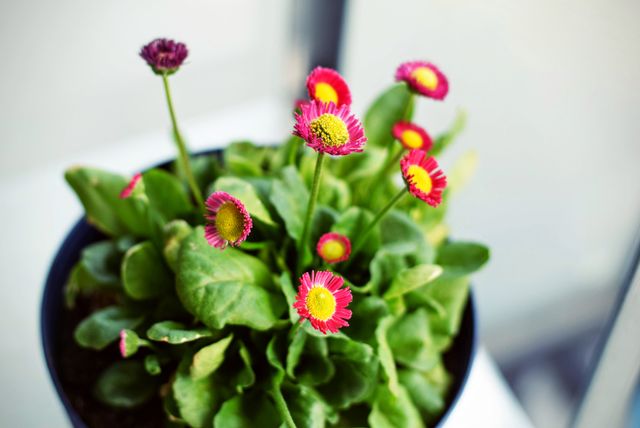
Indoor Flowering Plants
Adding flowers to your home can instantly make the space feel brighter, warmer, and more welcoming. While outdoor gardens offer plenty of choices, you can also enjoy colorful blooms inside your home with the right plant varieties.
Indoor flowering plants that grow indoors are particularly handy in providing natural color to bedrooms, living rooms, balconies, work areas, and entryways. Most flowering varieties can be successfully cultivated in the house provided they are provided with the right amount of light, watered, and taken care of.
From vibrant orchids to cheerful African violets, there are several options for homeowners who want attractive flowers without maintaining a traditional outdoor garden.
Table of Contents
1. Orchids
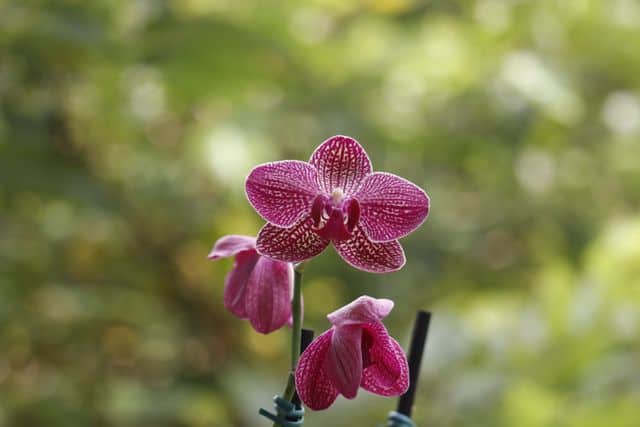
Orchids are also one of the most common options to use in the interior due to their graceful flowers and elegant look. Their flowers come in a variety of colors such as white, pink, purple and yellow.
Orchids should be placed in bright indirect sunlight and should not be exposed to direct afternoon sunlight. They should be watered when their growing medium is dry enough since too much water can destroy their roots.
2. African Violet
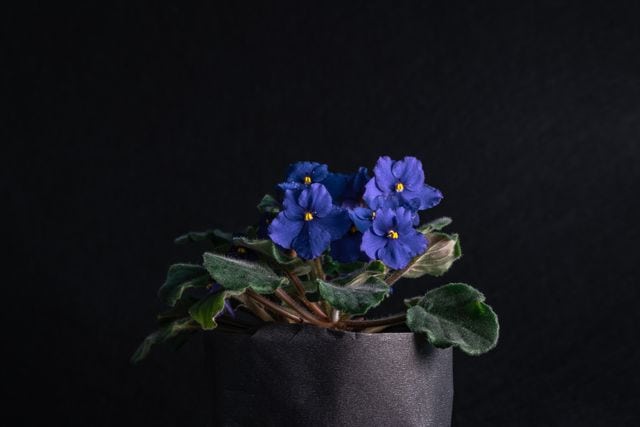
African violets are small flowering plants that can be used in apartments and smaller rooms. They can bloom all year round when they are provided with the right growing conditions with their soft, colorful flowers.
They like sunny, indirect light and medium damp soil. Do not pour water on their leaves since it may occasionally lead to spotting or damage.
3. Peace Lily
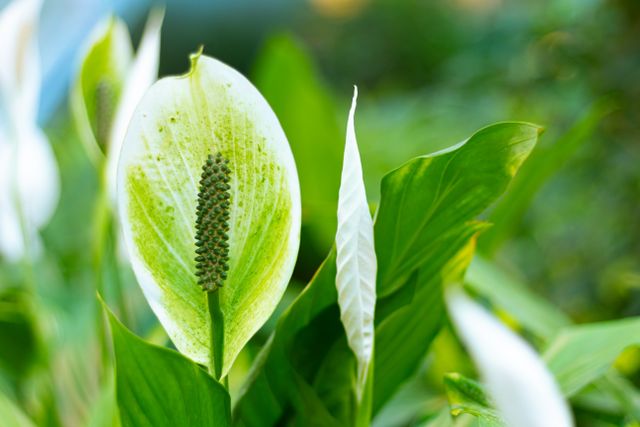
Peace lilies are appreciated due to their dark-green leaves and beautiful white flowers. They are able to bring a serene, elegant look to living rooms, offices, bedrooms and other interior spaces.
These plants are usually bright and indirect light, but can withstand low light conditions. Maintain the soil slightly wet without leaving any water around the roots.
4. Anthurium
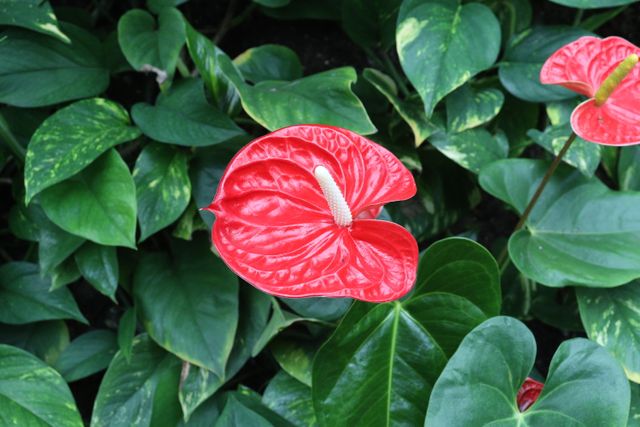
Anthuriums are characterized by shiny leaves and heart-shaped flower arrangements of colors. Their flowers are usually sold in red, pink, white, and other beautiful colors.
Healthy flowering is typically supported by bright, indirect light. Maintain the soil at a moderate level of moisture and maintain good humidity to promote good growth and beautiful foliage.
5. Begonias
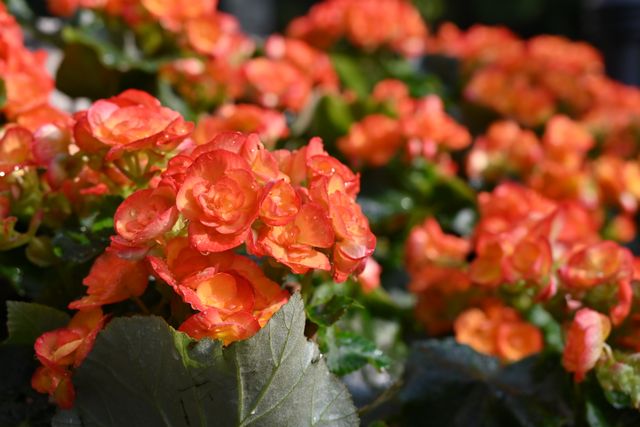
Begonias are very beautiful and also interesting in their foliage and hence can be used as a versatile decorative plant. Various varieties are available in different colors, shapes and patterns of growth.
Begonias should be planted in bright filtered light and the surface of the soil should be allowed to dry between watering. Healthy growth indoors can also be maintained by good airflow.
6. Kalanchoe
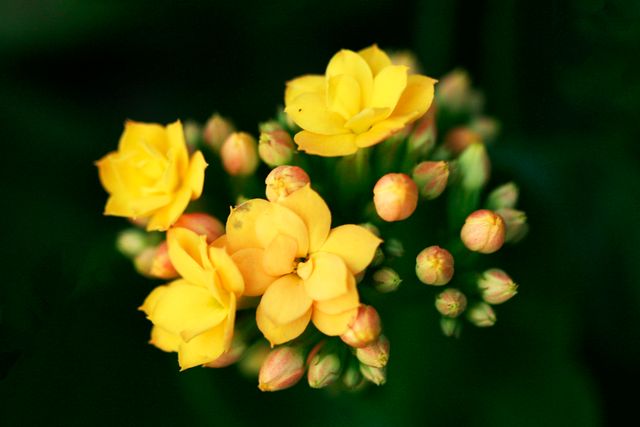
Kalanchoe is a succulent flowering plant that grows in clusters of small colorful flowers. It is a viable alternative to individuals who do not want to water plants frequently.
Provide kalanchoe with ample light and a well-draining potting soil. Let the soil dry between waterings to prevent too much moisture.
7. Bromeliads
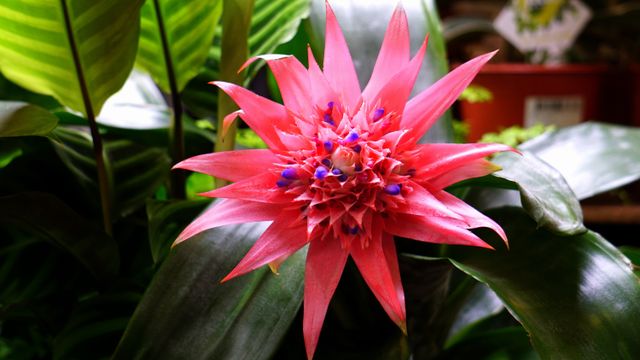
Bromeliads may be used to add a tropical look to indoor environments with their foliage and colorful flower arrangements. They are bold and can be used as decorative statement plants.
They usually thrive in sunny, shaded areas and damp conditions. Avoid keeping the roots excessively wet, and provide good air circulation around the plant.
8. Gerbera Daisy
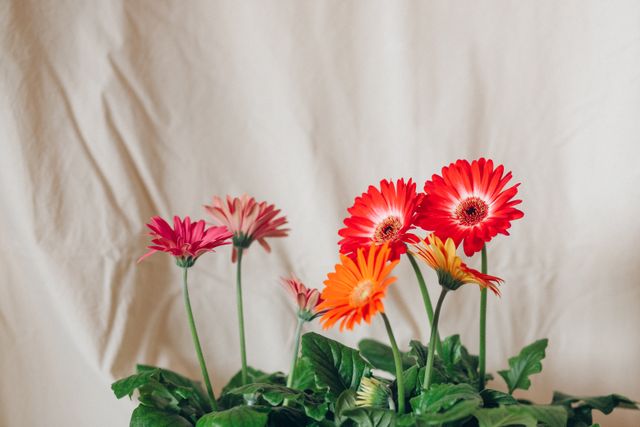
Gerbera daisies are valued due to their colorful and jovial flowers that can illuminate indoor spaces. Their flowers come in a variety of colors, such as pink, orange, yellow, red, and white.
These plants need a lot of light to flower. Keep them close to a bright window but avoid exposing them to too much heat and sunlight.
Benefits of Growing Flowering Plants Indoors
Indoor flowering plants can be used to make ordinary rooms more colorful and welcoming. Flowers are natural decorations that can be used to supplement furniture, wall colors, and interior designs.
Plants that are kept indoors can also assist individuals to establish a closer relationship with nature. The process of taking care of flowers is a simple routine that includes watering, pruning, cleaning, and monitoring new growth.
Flowering plants can also make excellent decorative additions for special occasions. Their colors can be kept as a good feature all year round with proper placement and care.
Tips for Caring for Indoor Flowering Plants
- Get Enough Light: Plant flowering plants in the appropriate location to get the appropriate amount of natural or indirect light. Healthy leaves are well lit and promote frequent blooming.
- Water Wisely: Before watering, check the soil rather than use a regular schedule. Do not overwater since too much water may cause root damage and influence flowering.
- Use Well-Draining Soil: Select an appropriate potting mix that will permit the drainage of excess water. Proper drainage prevents wet soil and frequent root issues.
- Maintain Proper Humidity: Some flowering plants grow better in moderately humid conditions. When the air in the house is too dry, use a humidifier or put greenery close to other greenery.
- Pruning Faded Flowers: It is important to prune the plant by removing dead or faded flowers to maintain the plant attractive. This may also stimulate some varieties to give new flowers.
- Wipe the Leaves: Wipe dusty leaves with a soft damp cloth when needed. Foliage should be clean to enhance the appearance of the plant and healthy growth.
- Plants should not be near Drafts: Plants should not be placed directly near air conditioners, heaters, or doors that are opened frequently. Flowering plants can be stressed by sudden changes in temperature.
Choose Flowers That Suit Your Home
The most suitable indoor flowering plants are those that suit the lighting, temperature, humidity, and space of your home. Use small sizes of desks and shelves, and larger plants can be used as the center of attention in large living rooms.
You can choose delicate orchids, bright anthuriums, happy daisies, or colorful begonias, and flowering plants can provide you with numerous opportunities to bring nature into your home.
When placed properly and given regular attention, indoor flowering plants can make your home look fresh, colorful, and welcoming and establish a more comfortable relationship with nature.

Sudarsan Chakraborty is a professional Blogger and blog writer. He lives and breathes in the blogging industry. He regularly writes on Widetopics to keep all the readers updated with the latest facts on wide range of topics.