How Road Conditions Can Turn a Normal Ride Into a Disaster?
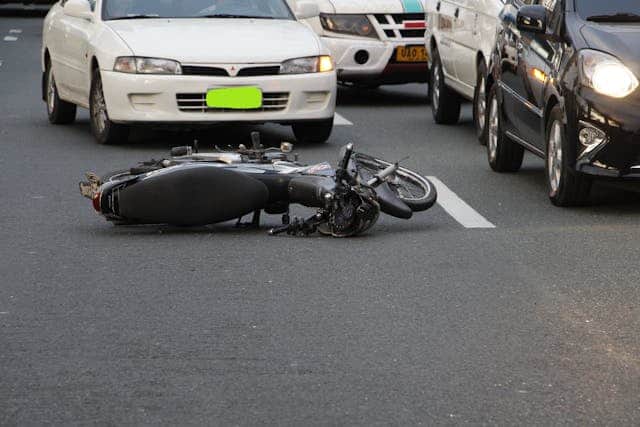
Every motorcycle rider knows the feeling of cruising down a familiar road, enjoying the ride, when suddenly they hit a pothole or patch of loose gravel that sends them flying. What seems minor to car drivers can be absolutely deadly for motorcycles. While cars can usually handle bad road conditions without much trouble, motorcyclists face serious dangers from things that most people don’t even notice.
Table of Contents
Why Motorcycles Are So Vulnerable to Road Problems?
The biggest difference between motorcycles and cars is obvious – motorcycles only have two wheels touching the ground. This means that when one wheel hits a problem spot, the entire bike can become unstable instantly. Cars have four contact points with the road, so hitting a pothole with one wheel doesn’t usually cause them to lose control.
Motorcycles are also much lighter than cars, which makes them more sensitive to changes in road surface. A patch of sand or gravel that a car would barely feel can cause a motorcycle’s wheels to slip and slide. Oil spills that might just make a car’s tires squeal can send a motorcycle rider sliding across the pavement.
The physics of motorcycle riding also creates unique problems. Motorcycles need to lean into turns, which means riders depend on having good traction between their tires and the road. Any change in the road surface – whether it’s wet paint, metal grates, or construction debris – can eliminate that traction when riders need it most.
The Most Dangerous Road Hazards for Riders
Potholes are probably the biggest threat to motorcycle riders. What feels such as a minor bump to car drivers can launch a motorcycle rider right off their bike. Deep potholes can actually trap a motorcycle’s front wheel, causing the bike to stop suddenly while the rider keeps moving forward at highway speeds.
Construction zones create multiple hazards for motorcycles. Loose gravel and debris are everywhere in these areas, and the road surface often changes from smooth pavement to rough concrete or metal plates. Many construction zones also have uneven surfaces where new pavement meets old, creating dangerous ridges that can catch motorcycle tires.
Metal surfaces become incredibly slippery when wet, and they’re everywhere on roads. Manhole covers, bridge expansion joints, and steel plates used to cover construction areas can all cause motorcycles to lose traction instantly. Even painted lines on the road can become slippery hazards when it’s raining.
Road debris poses much bigger threats to motorcycles than to cars. A piece of tire tread that a car would just drive over can get caught in a motorcycle’s wheel and cause a crash. Even small objects such as bottles or chunks of concrete can cause serious problems if they hit a motorcycle’s wheels at the wrong angle.
When the Government Is Responsible?
Here’s something many people don’t realize – sometimes the government agencies responsible for maintaining roads can be held legally responsible when poor road conditions cause motorcycle accidents. Roads are supposed to be safe for all legal vehicles, including motorcycles, and when they’re not, someone needs to be held accountable.
The key is proving that the government agency knew about the dangerous condition but failed to fix it within a reasonable time. For example, if a pothole has been reported multiple times over several months but nothing was done to repair it, the agency might be liable for any accidents it causes.
Government liability cases can be complicated because there are special rules about suing government entities. These cases often require working with a motorcycle accident firm that understands the unique legal challenges involved in holding government agencies accountable for road maintenance failures.
Construction companies can also be liable when their work creates dangerous conditions for motorcycles. If a contractor leaves debris in the roadway, fails to properly mark hazards, or creates unsafe transitions between different road surfaces, they can be held responsible for any accidents that result.
Proving Your Case After a Road Condition Accident
When a motorcycle accident is caused by poor road conditions, proving what happened can be challenging. Unlike accidents involving two vehicles, there might not be any other drivers or witnesses who saw what caused the crash. The evidence of what went wrong might only last until the next time a road crew comes through.
Taking photos immediately after the accident is crucial. Document the road condition that caused the crash, the damage to the motorcycle, and the accident scene from multiple angles. These photos might be the only evidence that shows what really happened.
Getting medical attention right away is important not just for health reasons, but also for legal ones. Medical records that document injuries immediately after the accident help prove that the road condition crash caused real harm, not just minor bumps and scrapes.
Filing reports with the appropriate government agencies creates an official record of the dangerous condition. Even if the accident has already happened, reporting the hazard can help prevent future accidents and creates documentation that the problem existed.
The Challenge of Fighting Government Agencies
Suing government entities for road maintenance problems is much harder than suing individual drivers or private companies. Government agencies often have legal protections that make them difficult to hold accountable, and they usually have teams of lawyers defending them.
Many states have laws that limit when and how people can sue government agencies. Some require special notice procedures or have very short deadlines for filing claims. Others have caps on how much money can be awarded in lawsuits against the government.
These agencies also have deep pockets and can afford to fight cases for years. They know that many accident victims can’t afford long legal battles, so they often use delay tactics hoping that people will give up or accept small settlements.
Protecting Yourself on Dangerous Roads
While legal action can help after an accident happens, the best strategy is avoiding crashes in the first place. This means being extra careful in construction zones, avoiding riding in wet conditions when possible, and always being on the lookout for road hazards.
Reporting dangerous road conditions to the appropriate agencies doesn’t just help other riders – it also creates a paper trail that can be important if an accident does happen. Many states have hotlines or websites where people can report potholes, debris, or other road problems.
Riding defensively around road hazards means giving yourself extra space and time to react. This is especially important at night or in bad weather when hazards are harder to see.
Getting the Help You Need
Road condition accidents can be just as serious as any other type of motorcycle crash, but they’re often harder to prove and fight in court. The responsible parties – whether they’re government agencies or construction companies – usually have significant resources to defend themselves against claims.
Don’t assume that just because a government agency was involved, there’s nothing you can do. While these cases are challenging, they’re not impossible to win when the evidence shows that dangerous road conditions were the real cause of your accident.

Biswajit Rakshit is a professional blogger and writer. He loves to write on various topics.