How to Get Rid of Slugs in Garden?
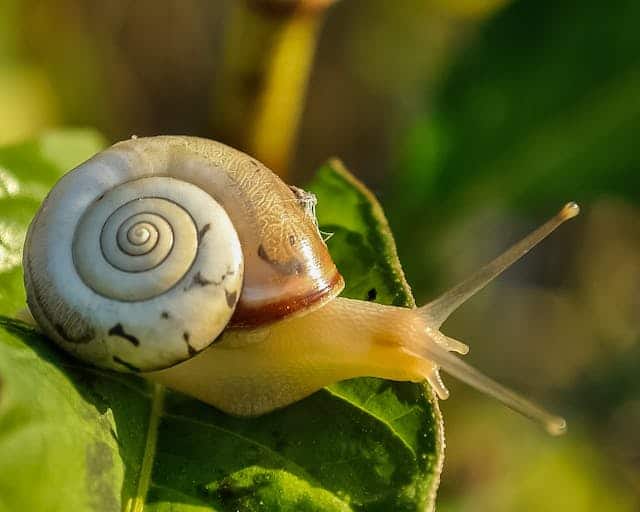
Common garden pests, slugs may seriously harm plants by chewing roots, stems, and foliage. Though they are part of the environment, a good garden depends on their number being under control. This article will look at many ways you may manage and eradicate slugs from your yard.
Table of Contents
#1: Knowing Slugs and Their Behavior
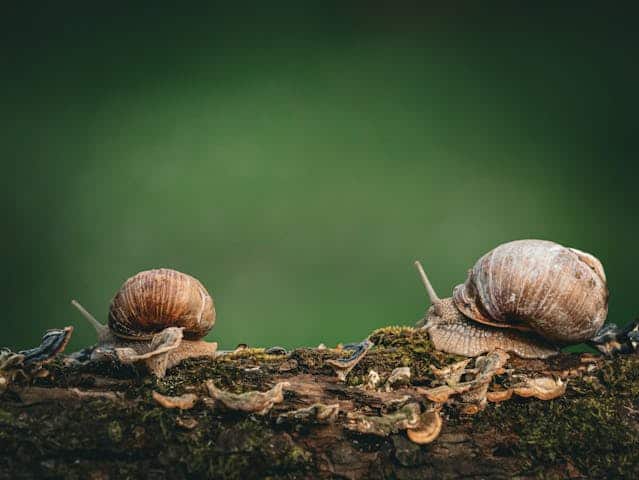
One must first grasp slug behavior before attempting the issue. Slugs are most active at night or on cloudy days; they flourish in wet conditions. Though they eat a lot of different kinds of plants, they especially like fragile leaves and seedlings. Their slime trails are a clear indication of their existence and might attract additional slugs to the surroundings. Slugs lay eggs in damp soil, and when circumstances are right, the eggs may stay latent for extended lengths of time. This lifecycle indicates that a thorough strategy is required to control both adults and their eggs; just eliminating obvious slugs is insufficient.
#2: Physical Removal and Obstacles
Manual removal is among the easiest approaches to lower slug numbers. Go out tonight with a flashlight and pluck slugs off your plants. They will die if dropped into a pail of soapy water. Though it takes time, this approach may be successful—especially in smaller gardens. One further strategy is to erect physical barriers. One may lay copper tape over flower beds or plant containers. The metal interacts with the slime of the slug to produce a little electric shock that drives away them. Likewise, diatomaceous earth—a naturally occurring powder derived from fossilized algae—can be scattered on vegetation. Its sharp particles compromise the fragile skin of the slug, causing death and dehydration.
#3: Biological Control and Natural Predators
Encouragement of natural predators in your yard will assist to reduce slug numbers. Slugs provide food for birds, frogs, toads, certain beetles. It might help to create a garden setting appealing to these predators. For instance, putting birdbaths and feeders can attract birds; tiny ponds might provide a home for toads and frogs. Another biological control agent are tiny worms known as nematodes, which parasite slugs. Garden centers have these, which you can then apply to the ground. Seeking slugs, they destroy them from inside. Natural and efficient means of reducing slug numbers without endangering other helpful insects are nematodes.
#4: Organic and Chemical Remedies
For individuals who would choose organic remedies, there are various choices. Popular technique is to bury a small dish at ground level and load it with beer. Attracted to the yeast, slugs would sink in the liquid. As a less costly option, you might combine water and yeast. One further natural approach is spreading coffee grinds around plants. Slugs find the caffeine harmful, hence it may be a deterrent as well. Iron phosphate-based slug pellets are efficient and regarded as safe for pets and animals if one adopts an aggressive approach. These pellets stop the slugs from eating and cause them to die finally. Chemical slug baits with metaldehyde should be used carefully, nevertheless, as they may endanger the environment, animals, and pets.
#5: Environmental Control and Cultural Activities
Changing how you plant could also help control slug numbers. Slugs thrive in damp environments, hence watering your garden in the morning instead of the evening lets the soil surface dry up before nightfall, which attracts fewer slugs. Eliminating garden trash like fallen leaves and plant detritus removes slug hiding places throughout the day. By making it more difficult for slugs to locate their preferred food sources, crop rotation and interplanting may further upset their lifecycle. Using coarse materials like gravel or wood chips mulches produces a rough surface that slugs steer clear of. Raising garden beds may also help to enhance drainage and lower the risk of slug problems.
#6: Companion Gardening and Plant Selection
Some plants are naturally occurring pest management tools because slugs find them less appealing. Plants that smell like rosemary, sage, and thyme, for instance, often discourage slugs. Herbs planted along the margins of your garden will naturally form a barrier. Slugs also avoid plants with stiff, hairy, or thorny leaves—such as geraniums, ferns, and foxgloves. Including these plants into your garden layout can assist to decrease slug damage. Furthermore, developing vegetable kinds resistant to slugs helps to reduce losses. For instance, certain types of lettuce have less enticing thinner leaves to slugs.
#7: Maintenance and Long-Term Prevention
Maintaining a garden free of slugs calls constant work. Look over your garden often for slugs; if you see any, act right away. Use the techniques that fit your garden constantly, then change as necessary. Manual removal combined with obstacles, natural predators, organic remedies, environmental management will over time provide an unfriendly habitat for slugs. Preventing further infestations mostly depends on keeping your garden neat, dry, and well-maintaining. Including these techniques into your daily gardening schedule can help you to have a healthy, slug-free garden.
In summary, controlling slugs in the garden calls for a multifarious strategy. You may drastically lower and control slug numbers by knowing their behaviors and using a mix of manual, physical, biological, and chemical techniques. Slugs will find their habitat less friendly if you encourage natural predators, use organic treatments, and modify your gardening techniques. Your garden will remain vibrant free from slug damage by means of constant work and careful maintenance.

Sudarsan Chakraborty is a professional Blogger and blog writer. He lives and breathes in the blogging industry. He regularly writes on Widetopics to keep all the readers updated with the latest facts on wide range of topics.