Why Professional Electrical Work Pays Off in the Long Run?
Paying an electrical contractor can sting at the time. It still costs less than paying for the same job twice. Once safety, inspections, warranties, resale, and potential rework are considered, professional work usually delivers a lower cost of ownership.
Table of Contents
Code Does Not Stand Still
Home wiring rules are not set once and left alone. The National Electrical Code (NEC) is updated every three years to reflect evolving technologies, practices, and safety knowledge. A qualified electrical contractor should stay familiar with the code adopted in the local area. A homeowner who learned to wire a basement ten years ago may be working from old information, even if the work seemed solid at the time.
AFCIs and GFCI outlets show how much has changed. AFCIs shut down a circuit when they sense dangerous arcing that can start a fire. GFCIs serve a different purpose in kitchens, bathrooms, garages, and outdoor areas where water and power meet. If those devices are missing or wired incorrectly, an inspection may uncover the problem. They cost relatively little and can prevent serious problems.
The gap is often clearest with fixed-in-position wiring. Swapping a lamp or plug-in fixture is one thing. Opening a box or adding a breaker is different work, requiring proper testing and current code knowledge. Torque and wire size should never be guesses. Those small details help determine whether a circuit runs cool and safely for decades.
Permits Create Proof That Follows The House
Most significant electrical work needs a permit and a municipal inspection, although local requirements vary. That paperwork may feel like a hassle, but it provides a record that the work was reviewed under the requirements in effect when it was approved.
Insurers and buyers may both ask about that paper trail. Permit rules and policy language vary by area, so homeowners should check local requirements and their insurance terms before work starts. Without the proper permits, a future claim or sale can lead to questions, extra checks, and delays.
An electrical inspection may cover wire and breaker sizing, box fill, grounding, and GFCI protection where required. Homeowners do not have to memorize every rule. They need compliant work that avoids preventable corrections and another appointment.
Electrical failure or malfunction was involved in an estimated average of 46,700 home fires per year from 2015 to 2019, with about $1.5 billion in direct property damage annually, according to the National Fire Protection Association.
Big Loads Need Real Calculations
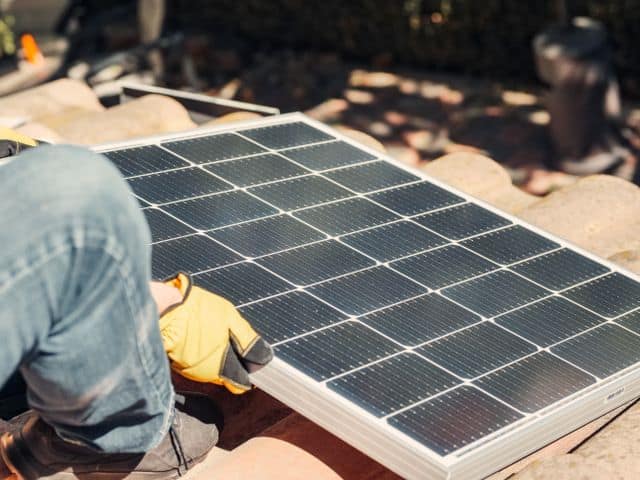
Some existing electrical services have limited capacity for major new loads. Add an EV charger or solar equipment, and the available capacity may become tight. Spare capacity is not always obvious from looking at a panel. Adding loads without proper planning can cause nuisance trips or create unsafe conditions if equipment and conductors are not correctly sized and protected.
A qualified electrical contractor can perform a load calculation before recommending a panel upgrade. That step shows what the existing service can carry and what, if anything, needs to change. Guessing can lead to tripped breakers and warm conductors. For grid-tied solar, careful calculations also help keep utility approval and inspection on track. Homeowners looking for panel and interconnection work can consult an established contractor such as Under the Sun Solar and Electric.
There is a clear line between simple plug-in swaps and permanent circuit work. The second group is where permits, licensing, and liability insurance may matter. Contractor coverage does not automatically protect a homeowner in every situation, since policy terms and local rules differ, but it is still important to verify. Ask who carries coverage and who is responsible for pulling the permit. Clear answers reveal a lot.
Cheap Work Gets Expensive Twice
Amateur splices do not always fail immediately. They can loosen through repeated heat cycles and appear months later as flickering lights or dead outlets. When a contractor offers a workmanship warranty, the homeowner has someone to call if a covered problem develops. With DIY work, the homeowner carries the repair cost and responsibility.
Rework almost always costs more than getting the job right the first time. A new electrical contractor must trace old circuits and correct anything unsafe. That means paying for diagnosis as well as repair. Proper work avoids both expenses. Paying once is easier than paying twice, particularly when drywall has to be opened and patched between visits.
Resale is often where shortcuts surface. Buyers may hire inspectors who look for open splices, double-tapped breakers, missing GFCIs, and panels without clear labeling. Those notes can turn into repair requests or price negotiations. Sellers may then need to arrange repairs on a tight timeline for work that could have been handled earlier. Permitted work supported by invoices and inspection tags gives buyers clearer evidence of what was completed.
What to Ask Before You Hire?
Good hiring is boring on purpose. Compliance with local licensing rules, appropriate insurance, clear permit handling, and a written scope usually say more than a low bid.
Start by asking who will perform the work and who will stand behind it. Will the same electrical contractor pull the permit and meet the inspector? Does the quote list panel size, breaker types, AFCI protection, and GFCI locations? Is there a written warranty and a clear invoice for the homeowner’s files? Homeowners do not need to be experts to recognize direct, complete answers.
Do not chase the cheapest hourly rate. Look for a clean paper trail and reliable support if something fails later.
Professional electrical work is about correct sizing, safe installation, and proof that the job was completed properly, rather than gold-plated parts. That combination holds its value long after the invoice is paid. Cheap bids are soon forgotten. The best electrical jobs are the ones that never cause trouble.

Biswajit Rakshit is a professional blogger and writer. He loves to write on various topics.