Why Your Event Feels Off? (And How Decor Fixes Everything)
So, the big day comes. Everyone shows up, the snacks are decent, the music’s playing, and things are going okay. But for some reason, the event just doesn’t feel right. Something’s off, even if it’s hard to say exactly what.
A lot of the time, it’s not the food or the guest list or the schedule—it’s the atmosphere. And guess what? That all comes down to the decor.
Table of Contents
It’s Not Just Decorations, It’s the Mood
Decor isn’t just about making things look nice. It sets the tone for the entire experience. If the lighting’s too bright or the space feels empty, people notice. Maybe not with words, but definitely with how they act. If the room feels cold or awkward, people won’t relax. And if the setup feels cramped or messy, they might leave early or avoid certain areas.
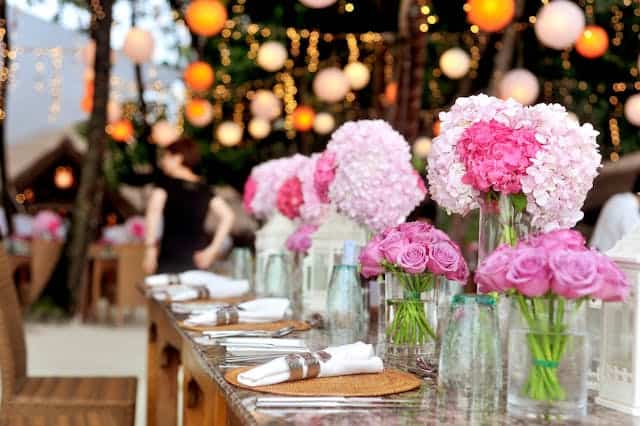
Now imagine walking into a space that’s been styled with soft lighting, cozy seating, and the right colors. Suddenly it feels warmer, more welcoming. People chat more. They move around. The entire event feels better.
That’s what smart event decor can do.
If you’re trying to put together a space that looks great and feels right, it helps to check out professionals who understand how layout, color, and lighting work together—especially for larger gatherings. For example, those planning in South Florida can explore event decor in Miami, FL to see how the pros set up everything from corporate events to weddings. There are also lots of other teams across the country that specialize in bringing a certain feel to a space, depending on what the event is all about.
Layout Affects Energy (More Than You’d Think)
One of the biggest things people don’t think about is how furniture is placed. When chairs and tables are all in rows or shoved against walls, it kills the flow. People stand around not knowing where to go or how to join a group. But when the layout is thoughtful—with clear paths and spaces that encourage conversation—it totally changes the energy.
At a networking event, for example, having lounge-style areas makes it easier for people to start talking. At a dinner, putting round tables in clusters instead of lining them up feels more social. It sounds simple, but those little choices really matter.
Lighting Isn’t Just for Photos
Good lighting makes people feel more comfortable. Harsh overhead lights can make a room feel cold and flat, while warm lights or color-changing ones create a relaxed vibe. If the lighting matches the theme—say, soft white for a formal dinner or bold colors for a product launch—it helps people understand what kind of event it is without needing a sign.
Plus, better lighting = better pictures. And better pictures mean people are more likely to post, tag, and remember the event later.
Colors Do More Than Look Pretty
Colors affect mood. Bright colors like red or orange can make a space feel energetic and exciting. Blues and purples feel calm and relaxed. When the color scheme lines up with the event’s purpose, it feels more complete.
For example, a product launch with bold lighting and metallic accents feels sharp and professional. A team-building retreat with natural tones and soft fabrics feels warm and casual. If the decor doesn’t match the message of the event, it can feel off—even if everything else is done well.
Even the Details Matter
Tiny things like table centerpieces, fabric choices, and even the type of chairs all play a part. People notice more than they think. If the tablecloths are wrinkled or the signs are taped up messily, it sends a message that things weren’t really thought through.
But if the details are clean, matching, and clear, people relax. They trust that the event is being handled well, even if they don’t consciously think about it. That trust helps them enjoy themselves more.
Different Events, Different Needs
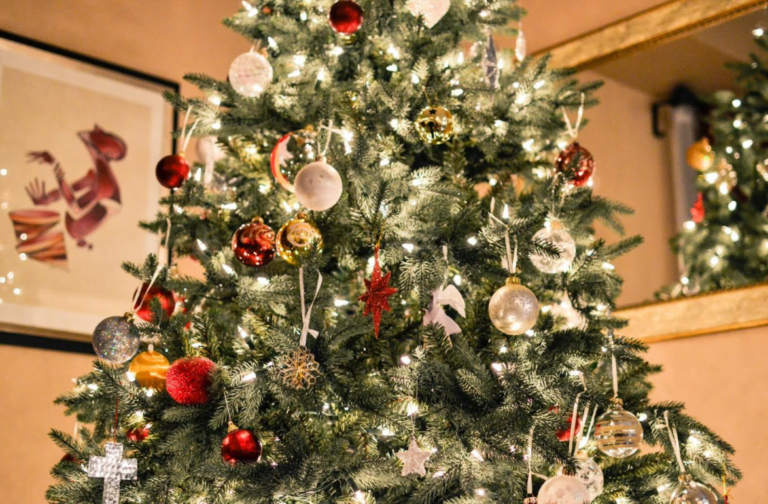
Not every event needs a huge setup or dramatic changes. But every event needs to feel intentional. A company holiday party might need cozy winter colors, string lights, and simple centerpieces. A trade show booth might need sleek furniture, cool lighting, and bold graphics.
What works for one type of event won’t always work for another. That’s why it’s important to think about what feeling the event should give off—and then build the look around that.
Can’t Rely on Just a Cool Venue
Some venues are already pretty nice. But even the coolest space won’t fix things if the decor doesn’t match the event. A fancy rooftop might look awesome on its own, but if it’s decorated with random colors or mismatched furniture, it can still feel weird. On the flip side, a plain old ballroom can be turned into something amazing with the right setup.
That’s why it helps to focus more on how a space is used and styled, instead of just picking the most expensive venue. A great space with no vibe is still just a space.
People Remember the Feeling
Long after the event is over, most people won’t remember exactly what they ate or every speech they heard. But they will remember how they felt. They’ll remember if it was awkward and stiff—or if it was fun, smooth, and welcoming.
And most of that comes from how the space made them feel. Decor is what shapes that.
So whether it’s soft lights and chill music for a laid-back party, or bold design and dramatic lighting for a high-energy event, it all connects to how people experience the space. That’s what sticks with them.
What to Keep in Mind?
If an event feels “off,” it’s probably not because of one big mistake—it’s a bunch of small things that don’t add up. Decor is often the key to bringing it all together. It affects the mood, the flow, the photos, and even how long people want to stay.
Planning events takes work, but the vibe doesn’t have to be a mystery. Focus on how people will move, what they’ll see first, where they’ll sit, and what kind of lighting matches the mood. The rest will fall into place.
If it feels good, people will notice. And they’ll want to come back next time.

Biswajit Rakshit is a professional blogger and writer. He loves to write on various topics.