Common Mistakes People Make After Personal Injuries
Personal injuries rarely arrive with a warning. One moment everything is routine, and the next you’re dealing with pain, paperwork, and unexpected stress. Whether the injury happens in a car crash, workplace accident, or public space incident, the aftermath often becomes overwhelming. People must make quick decisions while managing medical treatment, insurance calls, and emotional strain.
Understanding these common pitfalls is essential. When people know what not to do after an injury, they are better prepared to protect their health, their rights, and their future. The following sections explore several mistakes individuals frequently make after personal injuries and explain why avoiding them can make a significant difference in the long run.
Table of Contents
Ignoring Medical Attention
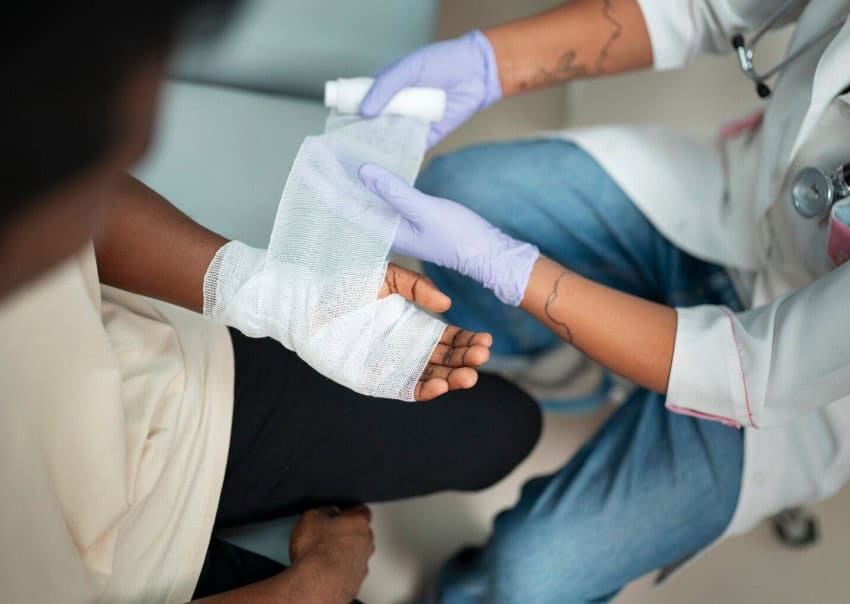
One of the most common mistakes people make after an accident is assuming they are “fine” simply because the pain feels manageable. Adrenaline can temporarily mask injuries, making them appear less serious than they actually are. As a result, many individuals skip medical evaluations immediately after the incident.
Taking early medical action is not just about legal protection—it’s about safeguarding long-term health. Ignoring symptoms or delaying care can transform a manageable injury into a serious medical challenge.
Waiting Too Long to Seek Legal Guidance
After an accident, many individuals assume legal help is something to consider “later.” They focus on recovery, insurance calls, or returning to work, believing legal questions can wait until things settle down. Unfortunately, delaying legal guidance can create problems that are difficult to fix afterward.
Another challenge is communication with insurance companies. Adjusters are trained to protect company interests, which may not always align with the injured person’s needs. Without proper knowledge, individuals may unknowingly provide statements or accept settlements that fail to cover long-term expenses.
This is where a victim lawyer can play a valuable role. Legal professionals understand how injury claims work and how to navigate negotiations, evidence collection, and documentation requirements.
Talking Too Freely About the Accident
After experiencing a traumatic event, it is natural for people to want to talk about what happened. They may discuss the incident with friends, coworkers, insurance representatives, or even strangers. While sharing experiences can feel therapeutic, speaking too freely about an accident can create unexpected complications.
Statements made shortly after an injury are often based on incomplete information. A person might say “I’m okay” or “It was probably my fault” without fully understanding what happened. Later, when new facts emerge, those early comments may be interpreted differently.
Failing to Document the Incident Properly
In the aftermath of an injury, people often focus entirely on medical care and overlook the importance of documentation. Unfortunately, failing to collect or preserve evidence can weaken an injury claim significantly.
Photographs are one of the simplest yet most powerful forms of documentation. Images of the accident scene, vehicle damage, hazardous conditions, or visible injuries can provide valuable context later. These visual records help explain what happened when memories fade or disputes arise.
Documentation essentially tells the story of the incident through facts and evidence. Without it, proving what happened can become far more difficult. Taking time to collect and preserve information early often makes a significant difference in the outcome of an injury case.
Posting Too Much on Social Media
In today’s digital world, sharing life updates online has become second nature. After an accident, many people post photos, updates, or messages describing their experience. While this may feel harmless, social media activity can sometimes work against an injury claim.
Another issue arises when people describe the accident online. Public statements about the event may conflict with later evidence or official reports, creating confusion.
The safest approach is to limit social media activity related to the incident until the situation is resolved. Protecting privacy during recovery helps prevent misunderstandings and ensures that personal posts do not unintentionally complicate legal matters.
Accepting the First Settlement Offer Too Quickly
When medical bills start arriving and work becomes difficult, a quick settlement offer from an insurance company may seem like a relief. Many people accept the first offer simply to resolve the situation and move forward.
However, early settlement offers are often calculated before the full impact of an injury becomes clear. Medical treatments, rehabilitation, therapy, and long-term complications may continue for months or even years. If someone accepts compensation too soon, they may find themselves responsible for expenses that were not originally considered.
Another issue involves lost income. Serious injuries may require extended time away from work or even affect future career opportunities. These financial consequences are not always obvious in the early stages of recovery.
Underestimating the Long-Term Impact of Injuries
Perhaps the most significant mistake people make after personal injuries is underestimating how deeply those injuries can affect their future. In the immediate aftermath, the focus is often on short-term recovery—treating pain, returning to work, and restoring normal routines.
However, some injuries create lasting consequences that appear long after the initial incident. Chronic pain, reduced mobility, psychological stress, and recurring medical treatments can all emerge months later. These challenges may affect work performance, lifestyle choices, and overall quality of life.
Financial impacts may also continue beyond initial medical bills. Physical therapy, medication, assistive devices, and follow-up treatments can accumulate significant costs over time.

Sudarsan Chakraborty is a professional Blogger and blog writer. He lives and breathes in the blogging industry. He regularly writes on Widetopics to keep all the readers updated with the latest facts on wide range of topics.