The Dual Identity of a Versatile Name
The name of an oyster plant is a botanical chameleon- it may mean two completely different plants, with two worlds of applications and history to each. On one hand it talks about that gorgeous low-maintenance ornamental house plant with striking foliage. On the other, it refers to one of the ancient yet distinctly tasting-root vegetables, which used to serve as a favorite by the ancient civilizations. Both have the name of inquisitive name showing depth of hidden meaning though unrelated botanically.
Table of Contents
1. Ornamental Oyster Plant: Tradescantia spathacea
Overview & Identity
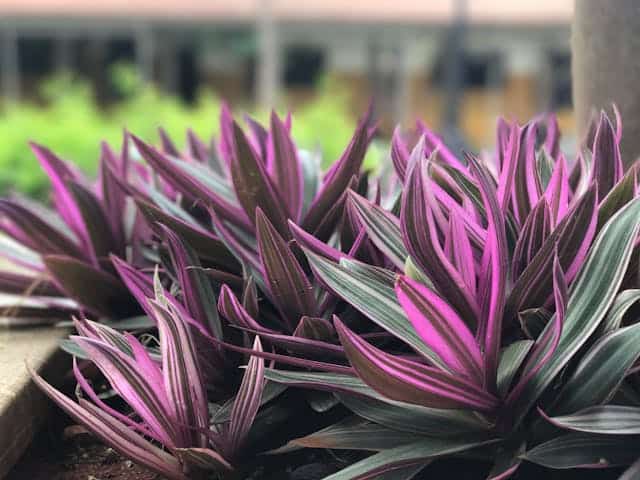
It is a Tradescantia oyster plant, or (alternatively) Moses-in-the-Cradle, Boatlily, or Moses-in-a-Basket. It is native to Central America and grows in thick rosets of waxy, but long leaves,green on the top side and in a brilliant purple underneath. Little white flowers are snugly planted within a boat-like purple fringe-a very pretty allusion to its biblical name.
Aesthetic Appeal
- Compact & eye-catching: With bold bicoloration and a tidy growth habit, it’s perfect for indoor shelves, small pots, or hanging planters.
- Great for groundcover: In warm climates, it can fill garden beds or line walkways with a lush, low-growing carpet of color.
- Versatile use: Thrives equally as a potted beauty or outdoor accent in zones 9–11.
Ease of Care
- Tolerates both shade and partial sun; indirect light keeps its foliage vibrant.
- Requires watering only when the soil surface dries slightly, excess water can harm the rhizomes.
- Grows well in standard potting mixes with added perlite for drainage.
- Prefers warm and moderately humid environments, though it’s forgiving of dry indoor air.
Added Benefits
- Air-purifying qualities: Helps filter ambient toxins and freshens indoor spaces.
- Erosion control: Its spreading habit stabilizes soil on slopes and keeps weeds at bay.
- Pollinator-friendly: Outdoor blooms attract bees and butterflies.
- Symbolic charm: In feng shui, its boat-shaped leaves are thought to invite positivity, protection, and abundance.
Caution
It contains calcium oxalate crystals, which may irritate skin or mouths upon contact. Care is advised around pets or small children.
2. Edible Oyster Plant: Tragopogon porrifolius (Salsify)
Botanical Profile
Nicknamed purple salsify, vegetable oyster, or simply oyster plant, this biennial root vegetable has deep historical roots. Its hardy taproot, pale exterior, and mauve daisy-like flower head make it both attractive and edible. Upon maturity, its flowers turn into fluffy seed heads that float in the breeze, much like dandelions.
Cultivation & Harvest
- Traditional crop: Cultivated by ancient Greeks and Romans, and praised by gourmets and herbalists alike for its subtle savory flavor.
- Planting & harvest cycle: Sown in early spring and harvested in late fall (especially after frost) for optimal flavor.
- Storage: Best enjoyed fresh, doesn’t store well after digging.
Culinary Uses
- Roots: Young roots can be eaten raw, grated into salads, or cooked in soups, stews, sautés, or made into purées and fritters.
- Flavor profile: Nutty, mildly mineral, with a briny note reminiscent of oysters or asparagus.
- Greens & shoots: Young leaves and flowering stalks can be cooked like asparagus or added raw to salads.
- Creative cooking: Works well in vegan croquettes, creamy purées, omelets, and rustic tarts.
Nutritional Value
Low in fat yet rich in vitamins (like A and C), minerals (calcium, iron, phosphorus), and dietary inulin, making it a diabetic-friendly carbohydrate that converts to fructose during digestion.
Folk & Medicinal Heritage
Historically, the plant was used to aid digestion, relieve jaundice, treat gallbladder issues, and support heart health. Its bittersweet flavor and nutrient profile made it a prized vegetable of both tables and apothecaries.
Comparative Snapshot: Tradescantia vs. Salsify
| Feature | Tradescantia spathacea (Ornamental) | Tragopogon porrifolius (Salsify) |
| Primary Use | Decorative houseplant / groundcover | Edible root and greens |
| Visual Traits | Green/purple leaves, small white flowers | Slender taproot, purple daisy-like blooms |
| Cultivation Needs | Low-light adaptable, indoor/outdoor | Cold-hardy, biennial, grows in temperate climates |
| Care Requirements | Moderate watering, good drainage | Weeding + adequate root space |
| Edibility | Not edible; may irritate | Entire plant edible; nutty, savory taste |
| Additional Benefits | Air purification, erosion control | Nutritious, culinary diversity |
| Cultural Role | Feng shui, pollinator attraction | Ancient cuisine & medicinal use |
Bringing Oyster Plants into Your Life
As Indoor Charmers
Add a splash of bold green and purple to your living room or office using Tradescantia spathacea. Group them on shelves or hang them in baskets. They’re perfect for busy individuals who want color with minimal upkeep.
For Garden Flair
Use them as groundcover or edging in warm climates, they suppress weeds and add texture. Retract them indoors before frost arrives in cooler zones.
In the Kitchen
Grow your own salsify if you’re adventurous in the kitchen. It’s a unique heritage vegetable with a flavor that nods to the sea. Harvest fresh in late fall and try purées, fritters, roasted roots, or simple soups. Save a patch for spring shoots and flowers.
Growing Tips
- Ornamental version: Bright, indirect light; water sparingly; use fast-draining soil.
- Salsify: Sow in early spring, leave roots in ground until post-frost; dig carefully to preserve slender roots.
Final Thoughts
Though they share a name, these two oyster plants couldn’t be more different in purpose and nature. Tradescantia spathacea brings visual delight and easy greenery to your space, while Tragopogon porrifolius connects you to ancient culinary and herbal traditions.
Whether your interest lies in interior aesthetics or rediscovering heritage vegetables, the “oyster plant” has something to offer. Charming on the shelf or satisfying on the table, it’s a plant name worth knowing.

Biswajit Rakshit is a professional blogger and writer. He loves to write on various topics.