When a Senior Needs More Than Basic Care: Understanding Skilled Rehab
Most families don’t realize there’s a significant difference between assisted living and skilled rehabilitation until they’re standing in a hospital discharge meeting, trying to figure out what comes next. A parent who was independent last month might suddenly need round-the-clock medical attention after a stroke or hip surgery. That’s when the phrase “skilled rehab” starts getting thrown around, and honestly, it can feel overwhelming trying to understand what it actually means.
The gap between basic senior care and skilled rehabilitation is wider than most people think. It’s not just about having someone nearby to help with daily tasks anymore. When a senior needs skilled rehab, they’re dealing with serious medical recovery that requires trained healthcare professionals, specialized equipment, and intense therapy sessions. This isn’t the kind of care a family member can provide at home, no matter how dedicated they are.
Table of Contents
What Skilled Rehabilitation Actually Involves?
Skilled rehab goes way beyond helping someone take their medications or getting dressed in the morning. This is medical care that has to be performed or supervised by licensed nurses, physical therapists, occupational therapists, or speech pathologists. We’re talking about wound care for surgical sites, IV medications, managing complex health conditions, and intensive therapy sessions that happen multiple times per day.
The “skilled” part isn’t just marketing language. It’s a Medicare classification that means the care requires professional medical judgment and can’t be safely done by non-medical staff. When someone needs their blood sugar monitored multiple times daily after a diabetic crisis, or they need help relearning how to swallow safely after a stroke, that’s skilled care. When they’re working to regain the ability to stand and walk after major surgery, that requires trained therapists who know exactly how much to push and when to hold back.
When Basic Assisted Living Isn’t Enough?
Assisted living works great for seniors who need help with everyday activities but don’t have significant medical needs. Someone who just needs reminders to take pills, help with bathing, or companionship during meals can do well in that setting. But when a medical event changes everything, that level of care stops being adequate pretty quickly.
Here’s the thing: assisted living facilities aren’t staffed or equipped to handle serious medical recovery. They don’t have physical therapists on site multiple times a day. They can’t provide the kind of monitoring that someone recovering from a stroke needs. If a senior requires catheter care, complex wound management, or is at high risk for another medical crisis, assisted living simply isn’t designed for that situation.
The transition usually happens suddenly. A parent goes into the hospital for what seems like a straightforward procedure, and the recovery turns out to be more complicated than expected. Or they have a fall that results in broken bones and surgery. Suddenly, the assisted living community they were in before can’t meet their needs anymore, and families find themselves scrambling to understand their options. For many seniors in this situation, skilled rehab services become the bridge between hospital discharge and either returning home or finding a new long-term care arrangement.
The Team Behind the Recovery
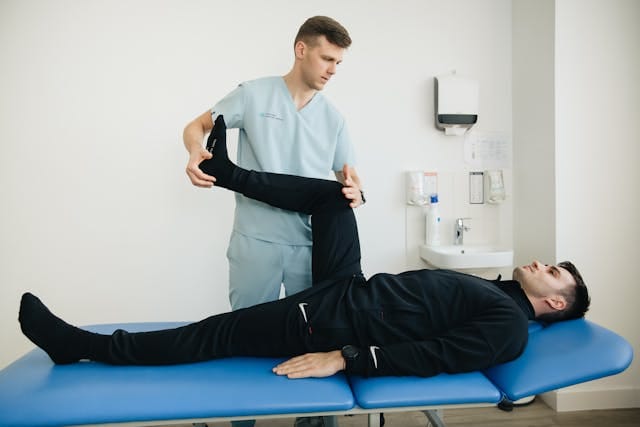
One of the biggest differences in skilled rehab is the number of trained professionals involved in daily care. There’s not just one nurse checking in occasionally. Depending on what someone is recovering from, they might see a physical therapist in the morning to work on mobility, an occupational therapist after lunch to practice daily living skills, and a speech therapist later to address swallowing difficulties or communication problems.
Registered nurses are there around the clock, not just for emergencies but for ongoing medical management. They’re tracking vital signs, administering medications (including IV drugs that can’t be done at home), changing surgical dressings, and watching for any signs that recovery isn’t going as planned. If something goes wrong at 2 AM, there’s someone qualified to handle it immediately, not a caregiver who has to call for help.
The medical director oversees everything, adjusting treatment plans as recovery progresses or complications arise. This level of coordination matters because seniors recovering from major health events often have multiple conditions that need to be managed simultaneously. The team approach means everyone’s communicating about what’s working and what needs to change.
Short-Term Recovery vs. Long-Term Placement
Most people end up in skilled rehab for a temporary stay, not a permanent move. The goal is usually to recover enough function to either go home or transition to a less intensive care setting. Insurance, particularly Medicare, typically covers skilled rehab stays when they’re medically necessary and the person is making progress. These stays might last a few weeks or a couple of months, depending on what someone is recovering from.
But get this: not everyone recovers to the point where they can leave. Some seniors start in skilled rehab after a hospital stay and realize they need ongoing medical care that’s more than they can manage at home. A stroke might leave lasting effects that require continued therapy and monitoring. A serious fall might reveal underlying conditions that make independent living unsafe. In those cases, what started as temporary rehab becomes a conversation about longer-term care options.
The emotional side of this transition is rough. Families often feel guilty about not being able to provide care at home. Seniors feel like they’ve lost their independence. But the reality is that some medical situations are just too complex for family caregivers to handle safely, no matter how much they love someone.
Recognizing When It’s Time for Skilled Care
The signs that someone needs more than basic assistance aren’t always obvious at first. Maybe a parent keeps ending up back in the emergency room because their conditions aren’t being managed properly. Maybe they’re not following through with therapy exercises at home because it’s too painful or they don’t understand the instructions. Maybe family caregivers are completely exhausted trying to provide care that really requires medical training.
Hospital discharge planners often recommend skilled rehab, but families don’t always understand why it’s necessary. It feels expensive (even though Medicare usually covers much of it). It feels like giving up on the idea of going home. But discharge planners see what happens when seniors skip this level of care, and it’s usually not good. People end up readmitted to the hospital with complications that could have been prevented with proper post-hospital care.
What Recovery Actually Looks Like?
The daily routine in skilled rehab is structured but not rigid. Therapy sessions are scheduled throughout the day, usually starting in the morning when energy levels are highest. Physical therapy might focus on strength, balance, and mobility. Occupational therapy works on practical skills—getting dressed, preparing simple meals, managing medications. Speech therapy addresses communication issues or swallowing problems that can develop after strokes or lengthy hospital stays.
Between therapy sessions, there’s rest time, meals, and ongoing medical care. Nurses check in regularly to monitor vital signs and make sure pain is controlled. The pace is intensive but manageable, designed to push recovery forward without overwhelming someone who’s already been through a major health crisis.
Progress doesn’t happen in a straight line. Some days are better than others. There might be setbacks or plateaus where improvement stalls for a while. The skilled rehab team adjusts the care plan based on how someone is actually doing, not just following a predetermined schedule. That flexibility matters because every person’s recovery is different.
Making the Decision
Choosing skilled rehab for a parent or spouse isn’t easy, especially when everyone hoped they’d just come straight home from the hospital. But the statistics tell a pretty clear story: seniors who get appropriate rehabilitation after major medical events have better outcomes. They regain more function. They’re less likely to fall again or end up back in the hospital. They have a better shot at eventually returning to independent living, even if it takes a few months.
The question isn’t really whether someone “deserves” to go home immediately. It’s about what’s actually going to give them the best chance at recovery. Sometimes that means accepting that the path home goes through skilled rehab first, even when it’s not what anyone wanted.

Alan Roodey is a professional Author and contributor to many sites. He loves to write on various topics.