What is Organic Chemistry?
Organic chemistry is one of the most fascinating branches of science because it studies life at the molecular level. Every living thing, people, animals, plants, contains organic compounds. Everything from medicines and fuels to plastics and perfumes comes from organic chemistry. Understanding this field not only helps you grasp how life works but also how modern industries develop everyday products.
This long, easy-to-read guide explains what organic chemistry is, its importance, applications, branches, history, examples, and major concepts, without going too technical.
Table of Contents
Introduction – Understanding the Chemistry of Life
Organic chemistry is the study of carbon-based compounds. These compounds exist everywhere, inside living organisms, in food, in medicines, fuels, fabrics, and much more. Even the DNA that makes you who you are is an organic compound.
Carbon is special because it can form millions of different molecules, and this ability helps life survive and evolve. That is why people call organic chemistry “the chemistry of life.”
But organic chemistry is not only about biology; it also plays a massive role in industries like pharmaceuticals, petrochemicals, materials science, agriculture, and cosmetics.
What is Organic Chemistry?
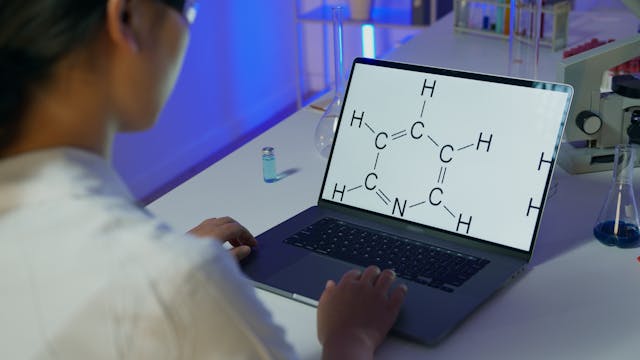
Organic chemistry is the branch of chemistry that studies carbon-containing compounds and how they behave, react, and form new substances.
In simple words – organic chemistry explains how molecules are built, how they interact with each other, and how these interactions create useful materials.
Most organic compounds contain:
- carbon
- hydrogen
and sometimes:
- nitrogen
- oxygen
- sulfur
- halogens
Because carbon can bond with many types of atoms, organic chemistry is more diverse than other fields of chemistry. Scientists have already identified more than 20 million organic compounds, and many more are being discovered every year
Why Carbon Is the Central Atom in Organic Chemistry?
Carbon is unique because it can form four bonds at the same time. This allows it to create chains, rings, and complex structures.
Carbon can form:
- single bonds
- double bonds
- triple bonds
- huge molecular networks
This flexibility is the reason life is possible.
A simple example:
- A diamond is pure carbon arranged differently than graphite
Both are carbon, but their properties are opposite. This shows how powerful structure is in organic chemistry.
Brief History of Organic Chemistry
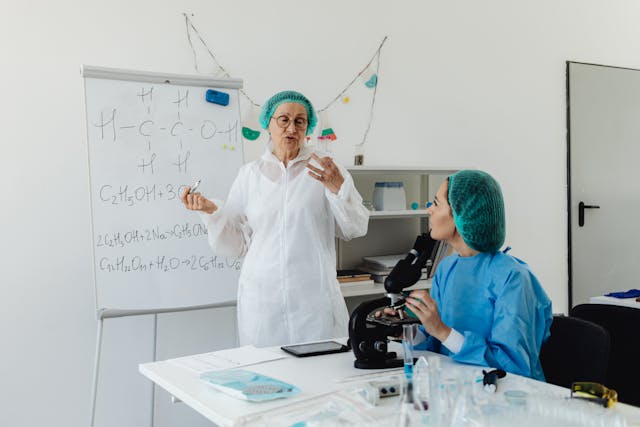
Organic chemistry began as the study of compounds found in living organisms. Scientists once believed organic substances could only be made inside living bodies (Vitalism theory).
However, in 1828, a scientist named Friedrich Wöhler accidentally produced urea (a biological compound) in a laboratory from inorganic chemicals.
This changed everything.
It proved that:
- organic molecules can be artificially created
- life chemistry can be studied scientifically
Since then, organic chemistry became a scientific discipline rather than a biological mystery.
Fields and Branches of Organic Chemistry
Organic chemistry is very broad. Major areas include:
a. Organic Synthesis
Preparing new molecules for medicine and industry.
b. Medicinal Organic Chemistry
Designing drugs and curing diseases.
c. Polymer Chemistry
Creating plastics, rubber, fibers, etc.
d. Biochemistry
How organic molecules work inside living organisms.
e. Organometallic Chemistry
Study of compounds containing metals and carbon.
Each area helps build real-world products like medicine, fertilizers, and industrial materials.
Where Organic Chemistry is Used in Daily Life?
Even though the term “chemistry” sounds academic, you interact with organic chemistry every single day.
Examples of organic chemistry in daily life:
- Soap
- Shampoo
- Toothpaste
- Cooking oils
- Food flavors
- Cosmetics
- Medicines
- Clothes
- Plastic bottles
- Rubber tyres
- Perfumes
- Fuel for vehicles
Every industry uses organic chemistry in some form.
Organic Compounds – Real Examples
Some common organic molecules include:
- sugar
- alcohol
- vitamins
- fats
- amino acids
- hydrocarbons
- proteins
- enzymes
- DNA
When you eat food, your body uses organic reactions to convert molecules into energy. When you take medicines, organic molecules interact with biological systems to heal the body.
Functional Groups in Organic Chemistry
Functional groups are specific arrangements of atoms inside a molecule that determine how it reacts.
Examples:
- Alcohol group (–OH)
- Carboxyl group (–COOH)
- Amino group (–NH2)
- Aldehyde (CHO)
- Ketone (C=O)
These groups decide chemical properties, reactivity, and biological behavior.
For example:
- an alcohol dissolves in water
- an alkane does not
That difference comes only from functional groups.
Naming Organic Compounds
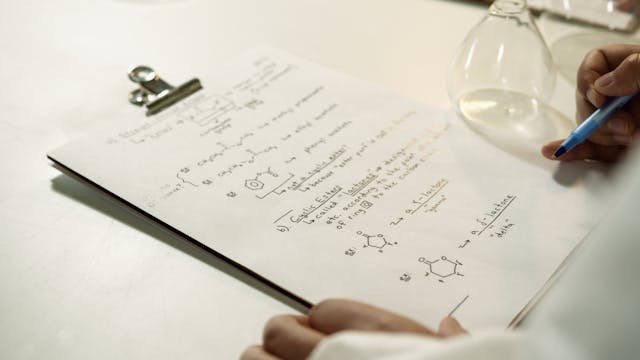
Organic chemistry uses a systematic naming method called IUPAC rules.
Example:
- Methane (1 carbon)
- Ethane (2 carbons)
- Propane (3 carbons)
- Butane (4 carbons)
So the name hints at the carbon count and structure.
Organic Chemistry and Biology
Life processes are organic reactions:
- digestion
- breathing
- metabolism
- hormone activity
- DNA replication
- cell growth
- enzyme action
Food becomes energy through organic chemical reactions in your body.
Proteins are chains of amino acids, and amino acids are organic molecules.
Even life evolution depends on organic chemical structures and mutations happening in DNA.
Organic Chemistry and Medicine
Medicine is one of the biggest applications of organic chemistry.
Every modern treatment uses organic compounds:
- painkillers
- vaccines
- antibiotics
- antidepressants
- cancer drugs
- anti-inflammatory drugs
Pharmaceutical scientists design organic molecules that interact with cells and biological processes.
Without organic chemistry, modern healthcare would not exist.
Organic Chemistry in Industry
Industries use organic chemistry to manufacture:
- plastics
- rubber
- fertilizers
- pesticides
- dyes
- varnishes
- detergents
- adhesives
- polymers
- fuels
It transforms raw materials into useful applications.
Organic Chemistry in Agriculture
Modern farming depends on organic molecules:
- fertilizers
- insecticides
- plant hormones
- soil improvement chemicals
Even genetically modified crops are developed based on organic chemistry knowledge.
Organic Chemistry in Energy and Fuel
Hydrocarbons form the basis of:
- petroleum
- diesel
- LPG
- CNG
- aviation fuel
These fuels originate from organic molecules formed millions of years ago.
Environmental Effects
Organic chemistry also studies pollution, sustainability, and environmental impact.
It helps develop:
- eco-friendly materials
- biodegradable plastics
- renewable energy sources
- green technologies
By understanding organic reactions, scientists try to reduce industrial pollution and chemical waste.
Is Organic Chemistry Hard?
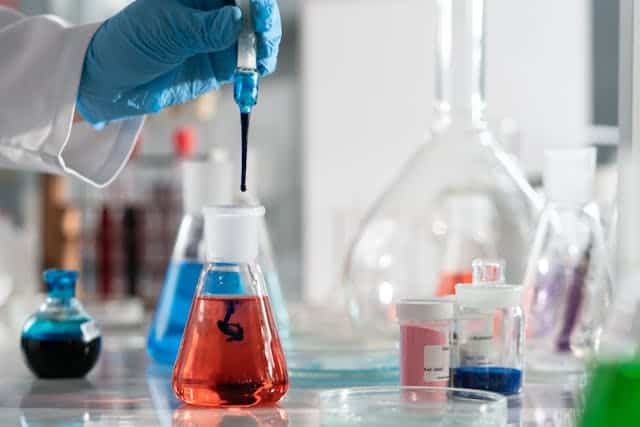
Many students, especially those entering college science courses, are often warned that organic chemistry is one of the hardest classes they will ever take. Because of that reputation, learners approach the subject with fear even before starting. So the first thing to understand is this, organic chemistry feels difficult mostly because people assume it will be. When your mind expects something to be confusing, every chapter instantly feels heavy.
In reality, organic chemistry becomes hard only when it is memorized blindly. When you try to remember every reaction without knowing why the reaction happens, your brain struggles. On the other hand, when you learn the logic of how and why bonds form or break, reactions start to follow predictable behavior. Suddenly, what looked like a hundred different reactions becomes a small group of patterns.
Importance of Organic Chemistry
Organic chemistry is important because it explains:
- what living organisms are made of?
- how life processes work?
- how medicines act?
- how materials behave?
- how energy is produced?
- how industries function?
Every scientific field, from biology to medicine, uses organic principles.
Future of Organic Chemistry
Organic chemistry will shape future technologies such as:
- greener plastic
- clean energy
- smart materials
- advanced medicine
- bio-synthetic food
- natural-origin materials
- nanotechnology
- molecular engineering
Artificial intelligence combined with organic chemistry could speed up drug discovery and environmental solutions.
Conclusion
Organic chemistry is far more than formulas and chemical equations. It is a science that explains life, enables medical innovation, drives industrial development, and builds technologies that shape the modern world.
The study of organic compounds helps us:
- understand biological functions
- improve medicines
- create new materials
- develop sustainable energy sources
- design products we use every day
In short, organic chemistry connects nature, technology, and everyday human life.
You’ll find more info on our website.

Biswajit Rakshit is a professional blogger and writer. He loves to write on various topics.