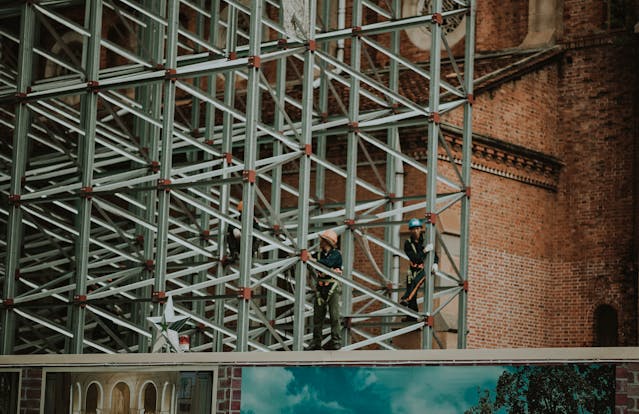
When Heavy Equipment Just Doesn’t Make Sense Anymore?
Construction has always been about using the biggest, strongest equipment you can get your hands on. The idea was that heavier meant better, more durable, more professional. But times are changing, and smart contractors are starting to question whether all that weight is actually helping them get jobs done better.
The reality is that many modern construction projects don’t need massive, heavy equipment. In fact, heavy gear often creates more problems than it solves. It’s expensive to transport, takes forever to set up, and limits where and how you can work.
Table of Contents
The Problem With Going Big
Heavy scaffolding and access equipment made sense when most construction work involved massive, long-term projects. You’d set up once and work in the same spot for months. The weight wasn’t a problem because everything stayed put for so long.
But today’s construction world is different. Projects are smaller, deadlines are tighter, and contractors often work on multiple jobs at the same time. Moving heavy equipment between sites becomes a major expense and time sink.
Transportation costs add up quickly when you’re hauling heavy scaffolding around. You need bigger trucks, more fuel, and sometimes special permits for oversized loads. What should be a simple move between job sites turns into a logistical nightmare.
Setup time becomes a real productivity killer with heavy systems. While your crew spends hours assembling massive scaffolding, they’re not actually doing the work you’re getting paid for. Time is money, and heavy equipment wastes both.
Storage becomes an issue too. Heavy scaffolding takes up serious warehouse space, and not every contractor has room for massive equipment inventories. Smaller operations especially struggle with storing bulky, heavy gear between jobs.
When Lighter Actually Means Better?
Modern lightweight scaffolding systems can handle the same jobs as their heavy counterparts while being much easier to work with. The materials have gotten so much better that you don’t need massive weight to get strength and stability.
Aluminum scaffolding offers the same load capacity as steel systems while weighing a fraction as much. This means your crew can actually carry components by hand instead of needing cranes and heavy machinery for every setup.
Quick assembly systems let crews get working faster. Instead of spending half a day setting up access equipment, modern lightweight systems can be ready in minutes. This means more time on actual productive work and less time on setup and breakdown.
Portability opens up new possibilities for where and how you work. When your scaffolding can fit in a regular truck and be carried up stairs or into tight spaces, you can take on jobs that would be impossible with heavy equipment.
For contractors looking to improve efficiency and reduce costs, portable scaffolding for sale offers the flexibility and convenience that modern construction demands without sacrificing safety or capability.
The Real Cost of Heavy Equipment
Most contractors focus on the upfront cost when buying equipment, but the real expense comes from ongoing operational costs. Heavy equipment is expensive to own and operate in ways that aren’t always obvious.
Maintenance costs are higher for heavy systems because they put more stress on trucks, storage facilities, and the equipment itself. Components wear out faster under the weight and stress of heavy-duty systems.
Insurance and liability costs can be affected by the type of equipment you use. Some heavy equipment requires special handling and creates additional safety risks that insurance companies factor into your premiums.
Opportunity costs add up when heavy equipment prevents you from taking certain jobs. If your scaffolding is too heavy to get into a building or too complex to set up quickly, you miss out on profitable projects.
Labor costs increase when equipment is hard to handle. Your crew spends more time on setup and breakdown instead of billable work. Plus, heavy equipment often requires more workers to handle safely.
Where Light Equipment Shines?
Certain types of projects are perfect for lightweight, portable access solutions. Understanding where lighter equipment works best helps you make smart choices about what to buy or rent.
Residential work almost always benefits from lighter equipment. Houses have weight limits, tight spaces, and neighbors who don’t want massive equipment cluttering their street for weeks. Lightweight systems get in and out with minimal disruption.
Maintenance and repair work is ideal for portable equipment. These jobs are often quick and scattered across different locations. Having equipment that moves easily between sites makes these projects much more profitable.
Interior work requires equipment that can fit through doorways and up stairs without damaging finishes. Heavy scaffolding often can’t even get to where the work needs to happen, while lightweight systems go anywhere.
Emergency repairs demand quick response and fast setup. When a client has an urgent problem, they don’t want to wait while you spend hours assembling heavy scaffolding. Portable systems let you respond quickly and professionally.
Making the Switch
Transitioning from heavy to lightweight equipment doesn’t have to happen all at once. Smart contractors start by identifying which jobs would benefit most from portable solutions and gradually build their lightweight inventory.
Start with smaller projects where portability makes the biggest difference. This lets you test different systems and learn what works best for your operation without making huge equipment investments upfront.
Train your crew on the differences between heavy and light systems. Some workers are used to heavy equipment and need to understand that lighter doesn’t mean less capable – it just means more efficient.
Calculate the real costs of your current heavy equipment including transportation, setup time, and missed opportunities. This helps you see the true return on investment for switching to lighter alternatives.
Consider hybrid approaches where you keep some heavy equipment for specific applications while adding lightweight systems for jobs where portability matters most.
The Future of Construction Access
The trend toward lighter, more portable equipment isn’t going away. As projects become more varied and deadlines get tighter, contractors who stick with heavy-only equipment will find themselves at a competitive disadvantage.
Technology continues improving the strength-to-weight ratio of construction materials. What required heavy steel components ten years ago can now be accomplished with lightweight aluminum or advanced composites.
Client expectations are changing too. Property owners and project managers want contractors who can work efficiently without disrupting their operations. Massive equipment setups that take days to install don’t fit modern expectations.
Environmental considerations are becoming more important. Lighter equipment requires less fuel to transport and has a smaller carbon footprint overall. Some clients specifically look for contractors who use more sustainable practices.
Making Equipment Work for You
The goal isn’t to eliminate all heavy equipment – it’s to choose the right tool for each job. Heavy equipment still has its place in construction, but that place is becoming more specialized and limited.
Evaluate each project individually to determine what equipment makes the most sense. Some jobs genuinely need heavy-duty systems, while others are perfect for lightweight alternatives.
Consider the total cost of ownership including purchase price, transportation, setup time, storage, and maintenance. Often, lightweight equipment provides better value even if the upfront cost is similar.
Think about flexibility and how equipment choices affect your ability to take on different types of work. Contractors with more versatile equipment inventories can bid on a wider range of projects.
Remember that your equipment should make your job easier, not harder. If you’re spending more time fighting with your gear than actually working, it might be time to consider lighter alternatives that let you focus on what you do best – getting projects done safely and efficiently.
For more information please visit our blog.

Alan Roodey is a professional Author and contributor to many sites. He loves to write on various topics.